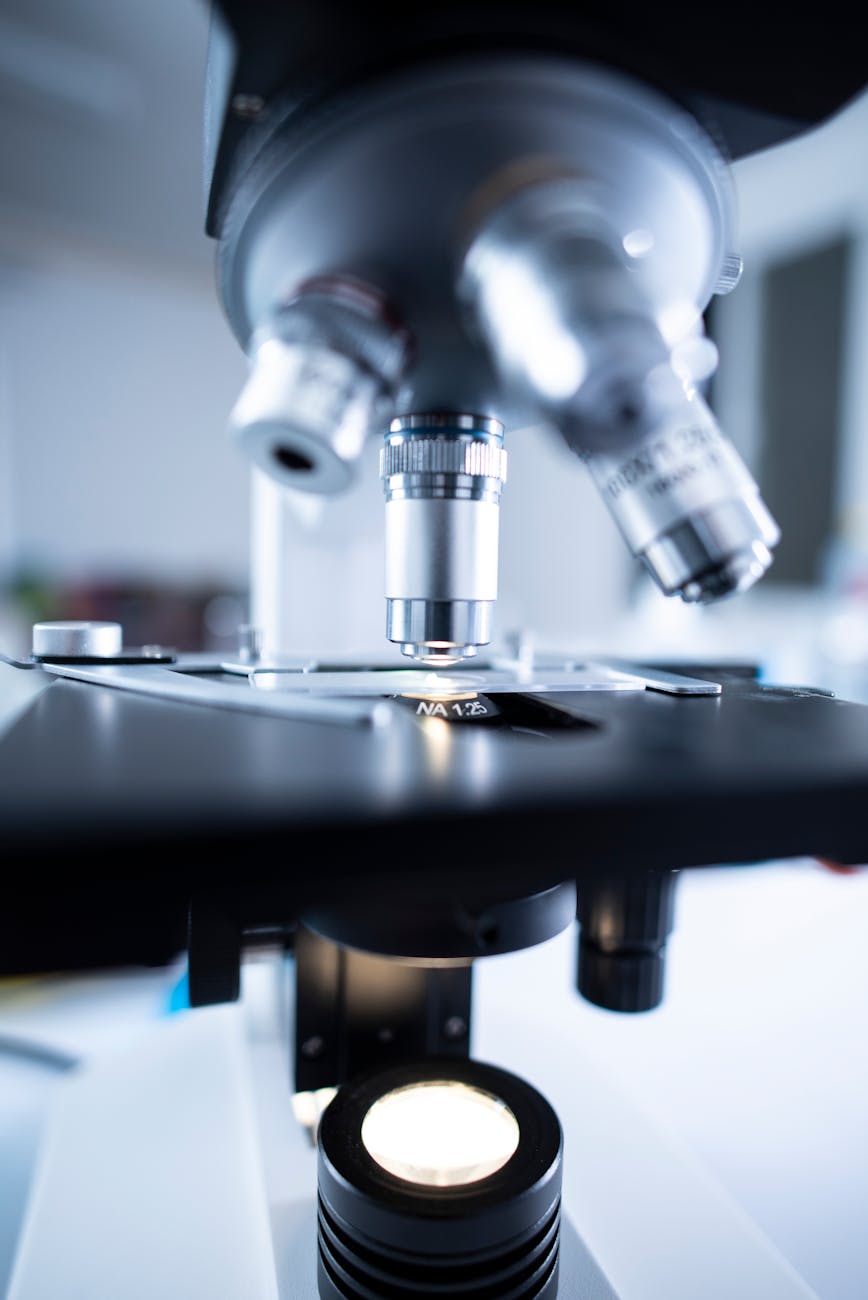
Strengthening Rural India: State‑of‑the‑Art Anti‑Venom Labs Across the Nation
The Urgency of the Situation
Snakebite remains a critical public health issue in India, claiming nearly 46,000 lives annually—97% in rural areas—according to a detailed nationally representative mortality survey from 2001–2003 PubMed+1PMC+1. The states with the highest burden account for over 90% of all snakebite deaths.
State-by-State: Mortality Estimates (2001–03 Survey)
From the PLOS Neglected Tropical Diseases Million Death Study, the annual snakebite death estimates (in thousands) and death rate per 100,000 (2005 data) for the 13 highest-prevalence states are:
| State / Region | Estimated Annual Deaths (ʼ000) | Death Rate per 100,000 |
|---|---|---|
| Uttar Pradesh | ~8.7 | ~4.6 |
| Andhra Pradesh (incl. Telangana) | ~5.2 | ~6.2 |
| Bihar | ~4.5 | ~4.9 |
| Madhya Pradesh | ~4.0 | ~5.9 |
| Odisha | ~2.2 | ~5.6 |
| Tamil Nadu | ~3.1 | ~4.7 |
| Karnataka | ~2.4 | ~4.2 |
| West Bengal | ~3.0 | ~3.5 |
| Rajasthan | ~2.1 | ~3.3 |
| Maharashtra | ~3.2 | ~3.0 |
| Gujarat | ~1.9 | ~3.5 |
| Jharkhand | ~1.5 | ~4.9 |
| Chhattisgarh | ~1.0 | ~4.4 |
Total for these 13 states: around 42,800 snakebite deaths per year, reflecting 93% of national total eLifePMC+1Europe PMC+1https://debuglies.com+1The Hindu+1Europe PMC.
These states include Andhra Pradesh, Bihar, Chhattisgarh, Gujarat, Jharkhand, Karnataka, Madhya Pradesh, Maharashtra, Odisha, Rajasthan, Tamil Nadu, Uttar Pradesh, and West Bengal. States with lower death‑rate or smaller populations fall outside of these high-prevalence groupings
Current Gaps in Anti-Venom Access
- Across many rural districts in these states, ASV availability is scarce, with some PHCs holding only a few vials—far less than required for effective clinical use.
- Government reporting often captures only 5–20% of actual deaths, meaning actual cases are vastly underreported The Times of India+2Reddit+2The Times of India+2eLife+1Reddit+1.
- Regions like North Andhra Pradesh face about 600–700 bite cases per year with at least 10 deaths, while official data significantly undercounts the impact The Times of India.
- Kerala is pioneering local production of region‑specific antivenom, reducing deaths from 119 in 2019 to 30 in 2024—but most other states still rely on centralized supplies and face delays or mismatches in venom efficacy
Why State-Wise Anti‑Venom Labs Are Crucial
- Timely life-saving treatment: Victims in rural areas can access ASV immediately instead of traveling long distances.
- Targeted antivenom production: Labs focused on local snake species can improve treatment outcomes where polyvalent ASV underperforms.
- Sustainable venom sourcing: Partnering with cooperatives like the Irula Snake Catchers Society ensures ethical venom extraction and tribal community support The Hindu+6researchgate.net+6eLife+6dradarsh.in+5Wikipedia+5The Times of India+5.
- Capacity building: Training local medical staff on ASV administration and cold-chain logistics improves effectiveness and safety.
- Better surveillance: By classifying snakebite as a notifiable disease (as Karnataka recently did), data becomes more accurate and response more strategic
Our Collaborative Model & Call to Action
- Phase‑wise Expansion: Prioritize all 13 high-burden states with state-specific labs in venom‑endemic zones.
- State Partnerships: Work with health ministries and district officials to site labs in PHCs or district hospitals.
- Research & Innovation: Collaborate with biotech firms and institutes to develop next‑generation, region‑specific antivenoms.
- Community Integration: Support tribal cooperatives for venom collection and generate local livelihoods.
- Advocacy & Awareness: Promote policy action to make snakebite notifiable in more states and improve public education.
Your Support Can Save Lives
- Donate to fund establishment of regional labs, cold storage, and staff training.
- Partner if you’re a research or biotech organization working on antivenom innovation.
- Advocate or Volunteer in rural districts to support snakebite awareness and prevention efforts.
Together, we can transform India’s healthcare response to snakebite—ensuring rapid access to effective antivenom and saving thousands of lives every year—from Uttar Pradesh to Kerala, district by district.